
All-in-One Digital Marketing Platform: How to Integrate SEO, Ads, Content, and Leads for Business Growth
In the rapidly evolving landscape of digital marketing, businesses must adopt a comprehensive approach that integrates various strategies to achieve sustainable growth. This article explores the concept of an all-in-one digital marketing platform, focusing on how to effectively combine SEO, ads, content, and lead generation to maximize business potential. Readers will learn about the importance of an integrated digital marketing strategy, the synergy between different marketing components, and practical steps to implement a full funnel marketing approach.
Many businesses struggle with fragmented marketing efforts that fail to deliver cohesive results. By understanding how to unify these strategies, companies can enhance their visibility, improve customer engagement, and ultimately drive conversions. This guide will cover the definition and significance of integrated marketing strategies, the combination of SEO and Google Ads, the role of content marketing in lead generation, and the essential features to look for in a digital marketing platform.
What Is an Integrated Digital Marketing Strategy and Why Does It Matter?
An integrated digital marketing strategy is a cohesive approach that combines various marketing channels and tactics to create a unified customer experience. This strategy is essential for businesses aiming to enhance their online presence and drive growth. By aligning SEO, ads, content, and lead generation efforts, companies can ensure that their messaging is consistent and resonates with their target audience. The integration of these components allows for a more efficient allocation of resources and a clearer understanding of customer behavior.
How Do SEO, Ads, Content, and Lead Generation Work Together?
SEO, ads, content, and lead generation are interconnected elements that work synergistically to enhance marketing effectiveness. SEO improves organic visibility, while ads provide immediate exposure to targeted audiences. Quality content serves as the foundation for both SEO and lead generation, attracting and nurturing potential customers. For instance, a well-optimized blog post can rank in search engines, driving organic traffic, while also being promoted through paid ads to reach a broader audience. This multi-faceted approach ensures that businesses can engage customers at various touchpoints throughout their journey.
What Are the Benefits of a Unified Marketing Approach?
A unified marketing approach offers several advantages that can significantly impact business performance. Firstly, it increases efficiency by streamlining marketing efforts and reducing redundancy. Secondly, it enhances return on investment (ROI) as resources are allocated more effectively across channels. Lastly, a cohesive strategy improves the overall customer experience, as consumers receive consistent messaging and branding across all platforms. Case studies have shown that businesses employing integrated marketing strategies often see higher engagement rates and improved customer loyalty.
How Can SEO and Google Ads Be Combined for Maximum Impact?
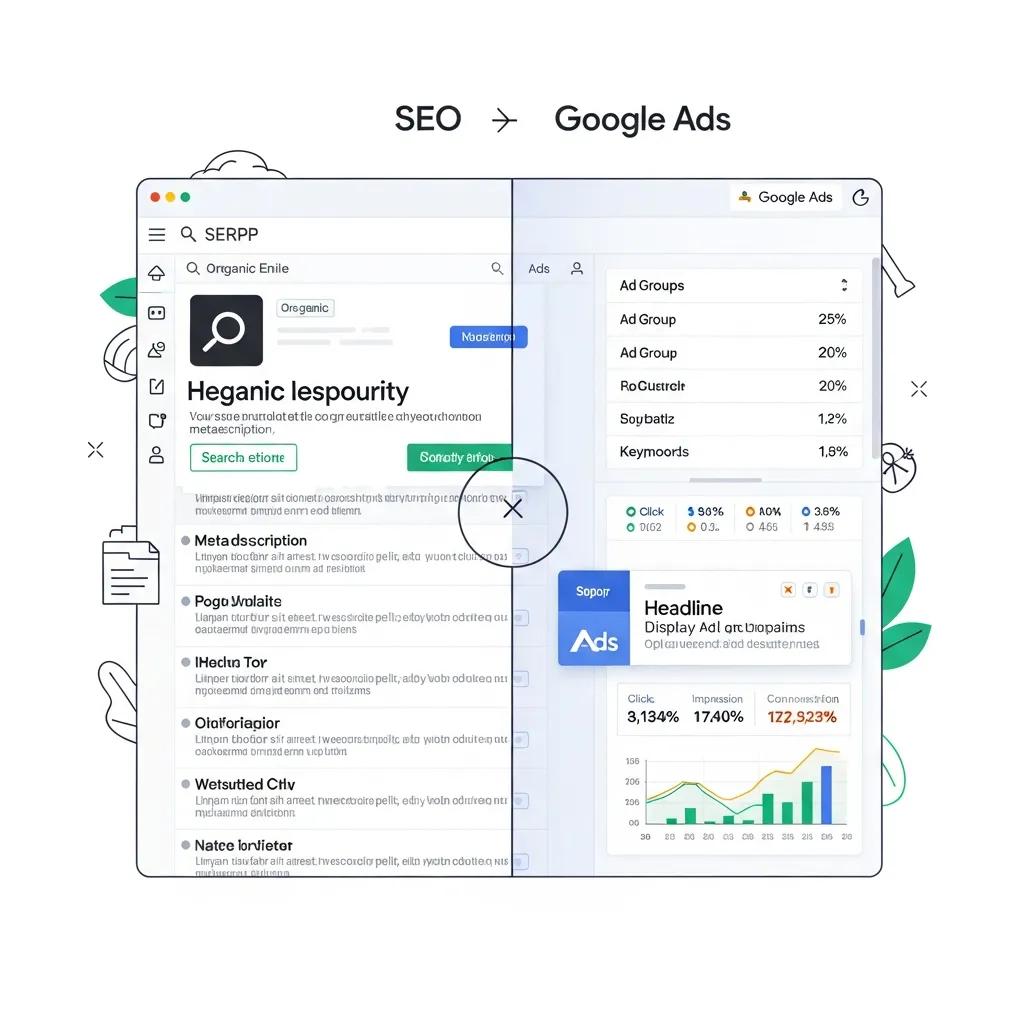
Combining SEO and Google Ads can create a powerful marketing strategy that leverages the strengths of both organic and paid search. This integration allows businesses to maximize their visibility and reach a wider audience effectively. By utilizing data from both channels, marketers can refine their strategies and improve overall performance.
What Is the Synergy Between Paid and Organic Search?
The synergy between paid and organic search lies in their ability to complement each other. Paid ads can provide immediate visibility, while SEO builds long-term organic traffic. When both strategies are employed, businesses can dominate search engine results pages (SERPs), increasing the likelihood of attracting clicks. For example, a company running Google Ads alongside a strong SEO campaign can capture both immediate traffic and sustained organic visitors, leading to a more comprehensive online presence.
How Does SEO Improve Google Ads Performance?
SEO can significantly enhance Google Ads performance by improving the Quality Score of ads. A higher Quality Score leads to lower cost-per-click (CPC) and better ad placements. By optimizing landing pages for relevant keywords and ensuring a seamless user experience, businesses can increase conversion rates from their ads. This optimization not only benefits paid campaigns but also strengthens the overall SEO strategy, creating a virtuous cycle of improvement.
What Role Does Content Marketing Play in Lead Generation Systems?

Content marketing is a critical component of lead generation systems, as it provides valuable information that attracts and engages potential customers. By creating high-quality content tailored to the needs of the target audience, businesses can effectively nurture leads through the sales funnel.
Further emphasizing this point, recent research highlights the profound impact of content marketing on both brand awareness and lead generation.
Content Marketing for Brand Awareness & Lead Generation
Content marketing plays an essential role in creating brand awareness and lead generation in this changing digital world. Based on models like the AIDA framework and Aaker’s Brand Equity model, it shows how effective content grabs attention, fosters interest, creates desire, and prompts action. Using strategies such as storytelling, search engine optimization, and user-generated content can help in establishing trust and emotionally connecting audiences.
The Impact of Content Marketing on Brand Awareness and Lead Generation, M Savariapitchai, 2024
Which Content Types Fuel Full Funnel Engagement?
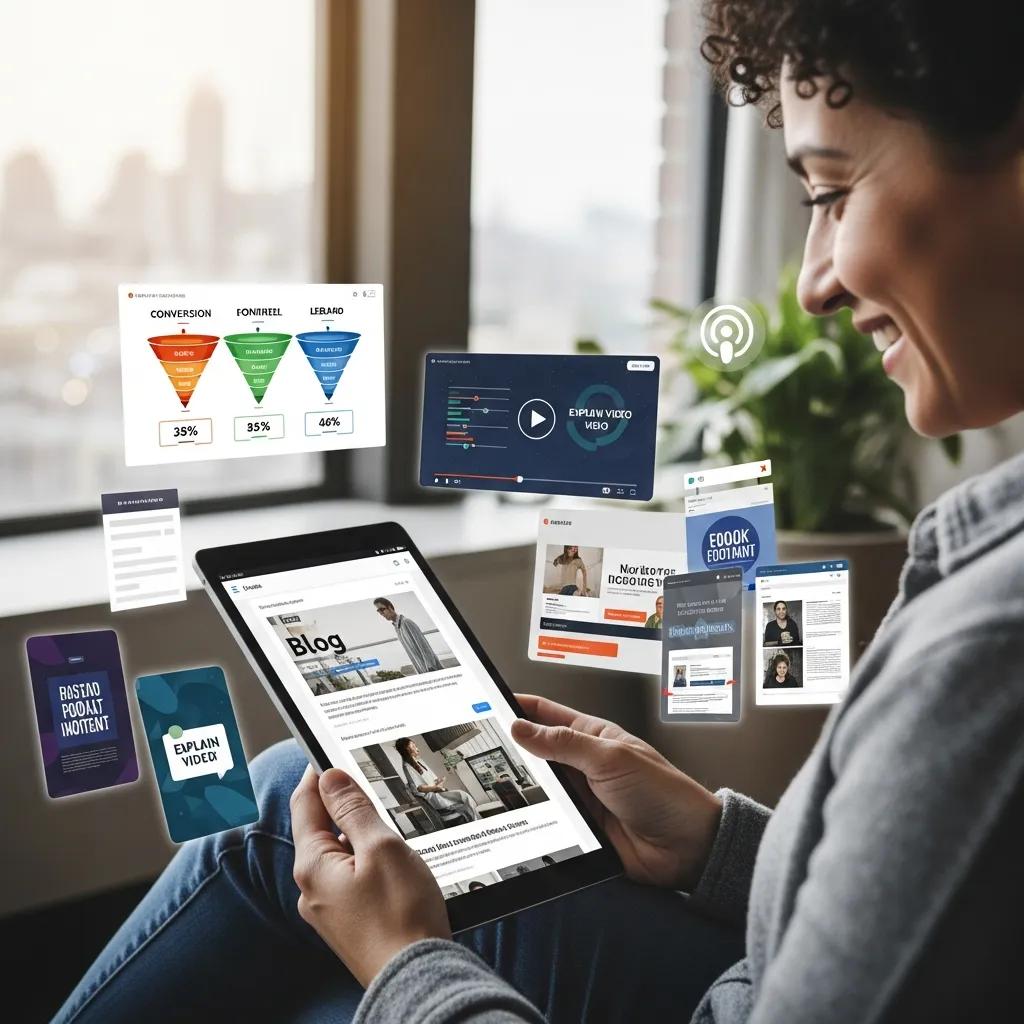
Different types of content serve various stages of the customer journey. For instance, blog posts and infographics can raise awareness, while case studies and whitepapers are effective in the consideration stage. Finally, product demos and testimonials can help convert leads into customers. By strategically utilizing these content types, businesses can guide prospects through the funnel, ensuring they receive the right information at the right time.
How Does Content Drive High-Intent Lead Acquisition?
High-intent leads are those who are ready to make a purchase decision. Content that targets high-intent keywords and addresses specific pain points can attract these leads effectively. For example, creating content that answers common questions or provides solutions to problems can position a business as an authority in its field, increasing the likelihood of conversion. Engaging content not only captures attention but also builds trust, making it easier for potential customers to choose your offerings.
How to Implement Full Funnel Marketing for Service Businesses?
Implementing a full funnel marketing strategy involves mapping out the customer journey and aligning marketing efforts with each stage. This approach ensures that businesses can effectively engage prospects from awareness to conversion.
What Are the Steps to Map Customer Journeys Effectively?
To map customer journeys effectively, businesses should first identify key touchpoints where customers interact with their brand. This includes understanding customer needs and preferences at each stage of the journey. Creating detailed journey maps can help visualize these interactions and identify opportunities for improvement. By analyzing customer behavior, businesses can tailor their marketing strategies to meet the specific needs of their audience.
Which Channels Best Support Each Funnel Stage?
Different marketing channels are suited to various stages of the funnel. For awareness, social media and content marketing are effective in reaching a broad audience. In the consideration stage, email marketing and webinars can provide more in-depth information. Finally, for the decision stage, retargeting ads and personalized offers can help convert leads into customers. By utilizing the right channels at each stage, businesses can optimize their marketing efforts and drive conversions.
Which Features Should You Look for in an All-In-One Digital Marketing Platform?
When selecting an all-in-one digital marketing platform, businesses should consider several key features that enhance integration and efficiency. A robust platform can streamline marketing efforts and provide valuable insights into performance.
How Do Marketing Automation and CRM Enhance Integration?
Marketing automation and customer relationship management (CRM) systems play a crucial role in integrating marketing efforts. These tools allow businesses to automate repetitive tasks, such as email campaigns and social media posting, freeing up time for strategic planning. Additionally, a CRM system helps track customer interactions and preferences, enabling personalized marketing efforts that resonate with the audience. Together, these tools enhance the overall effectiveness of marketing strategies.
What Are Key Considerations for Small and Service Businesses?
Small and service businesses should prioritize features that cater to their specific needs, such as budget-friendly pricing, scalability, and user-friendly interfaces. It’s essential to choose a platform that offers comprehensive analytics capabilities, allowing businesses to measure the effectiveness of their marketing efforts. Support and resources available for small businesses can also make a significant difference in successfully implementing digital marketing strategies.
How Can You Measure Success and Optimize ROI in Integrated Campaigns?
Measuring success in integrated campaigns requires a clear understanding of key performance indicators (KPIs) that track the effectiveness of SEO, ads, content, and lead generation efforts. By analyzing these metrics, businesses can optimize their strategies for better results.
What KPIs Track SEO, Ads, Content, and Lead Generation Effectiveness?
Several KPIs are essential for tracking the effectiveness of integrated campaigns. For SEO, metrics such as organic traffic, keyword rankings, and bounce rates are crucial. In terms of ads, click-through rates (CTR), conversion rates, and return on ad spend (ROAS) are key indicators. Content marketing effectiveness can be measured through engagement metrics, such as shares, comments, and time spent on page. Finally, lead generation success can be evaluated through metrics like lead conversion rates and customer acquisition costs.
How to Use Data Insights to Continuously Improve Campaigns?
Data insights are invaluable for optimizing marketing campaigns. By regularly analyzing performance metrics, businesses can identify trends and areas for improvement. Implementing A/B testing can help determine which strategies resonate best with the audience. Additionally, leveraging customer feedback can provide insights into preferences and pain points, allowing businesses to refine their messaging and offerings continuously.
Different marketing strategies deliver distinct benefits through specific mechanisms.
| Strategy | Mechanism | Benefit | Impact Level |
|---|---|---|---|
| SEO | Increases organic visibility | Attracts targeted traffic | High |
| Google Ads | Provides immediate exposure | Drives quick conversions | High |
| Content Marketing | Engages and nurtures leads | Builds trust and authority | Medium |
This comparison demonstrates how each strategy contributes uniquely to an integrated marketing approach, highlighting the importance of leveraging multiple channels for optimal results.