

The #1 Reason Your Website Isn’t Ranking on Google and How to Fix It Fast
Many website owners find themselves frustrated when their sites fail to appear in search engine results. Understanding the primary reason behind this issue is crucial for improving visibility and driving traffic. This article will explore the main cause of poor website ranking, focusing on indexing and crawlability issues, and provide actionable solutions to enhance your site’s performance. By addressing these concerns, you can significantly improve your website’s ranking on Google and attract more visitors. We will cover the importance of technical SEO fixes, content quality, backlinks, and user experience factors that influence your website’s authority.
What Is the Main Cause of Your Website Not Showing Up on Google?
The primary reason your website may not be appearing in Google search results is related to indexing issues and crawlability. Indexing refers to the process by which search engines analyze and store information from your website, while crawlability pertains to how easily search engine bots can navigate your site. If either of these processes is hindered, your website will struggle to rank effectively.
How Do Google Indexing Issues Prevent Website Ranking?
Google indexing issues can arise from various factors, including improper use of robots.txt files, meta tags, or site structure. For instance, if your robots.txt file disallows search engines from crawling certain pages, those pages will not be indexed. Additionally, if your site has broken links or poor internal linking, it can hinder the indexing process. To resolve these issues, ensure that your site is structured correctly, and use tools like Google Search Console to identify and fix indexing problems.
What Role Does Crawlability Play in Website Visibility?
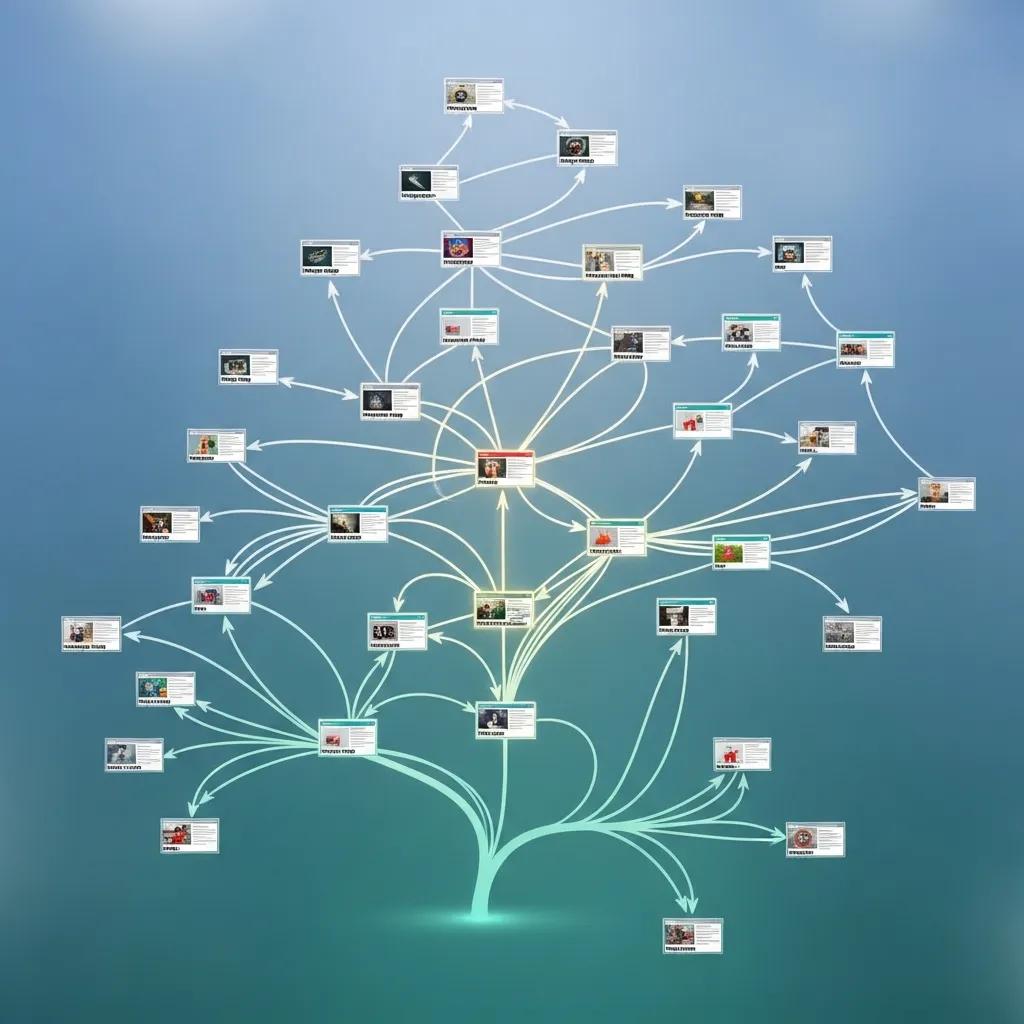
Crawlability is essential for ensuring that search engines can access and index your website’s content. Factors affecting crawlability include site structure, internal linking, and the presence of a clear navigation structure. While site speed and mobile-friendliness are important for user experience and ranking, they do not directly affect crawlability. Improving crawlability involves optimizing your website’s structure, ensuring it is easy for bots to navigate, and simplifying navigation to enhance user experience.
How Can You Fix Common SEO Ranking Problems in 2026?
Addressing common SEO ranking problems requires a multifaceted approach that includes technical fixes, content optimization, and user experience improvements. By focusing on these areas, you can enhance your website’s visibility and ranking on search engines.
What Are the Most Effective Technical SEO Fixes for Indexing and Crawlability?
To improve indexing and crawlability, consider implementing the following technical SEO fixes:
- Optimize Robots.txt: Ensure that your robots.txt file allows search engines to crawl essential pages.
- Fix Broken Links: Regularly check for and repair broken links to maintain a healthy site structure.
- Use XML Sitemaps: Create and submit an XML sitemap to help search engines discover your pages more efficiently.
These technical adjustments can significantly enhance your website’s indexing and crawlability, leading to better search engine rankings.
How to Improve Page Speed and Mobile-Friendliness for Better Rankings?
Improving page speed and mobile-friendliness is crucial for enhancing user experience and search engine rankings. Here are some strategies to consider:
- Optimize Images: Compress images to reduce load times without sacrificing quality.
- Minimize HTTP Requests: Limit the number of elements on your pages to decrease loading times.
- Implement Responsive Design: Ensure your website is mobile-friendly by using responsive design techniques.
By focusing on these areas, you can create a faster, more user-friendly website that ranks better in search results.
Why Is Content Quality Critical to Improving Website Ranking Fast?

Content quality plays a vital role in determining your website’s ranking on search engines. High-quality content that meets user needs is more likely to be indexed and ranked favorably. Search engines prioritize content that is relevant, informative, and engaging, making it essential to focus on quality.
How Does Matching Search Intent Enhance Content Effectiveness?
Matching search intent involves creating content that aligns with what users are searching for. By understanding the different types of search intent—informational, navigational, transactional, and commercial investigation—you can tailor your content to meet user needs effectively. This approach not only improves user satisfaction but also increases the likelihood of higher rankings.
What Are the Fixes for Thin and Duplicate Content Issues?
Thin and duplicate content can negatively impact your website’s ranking. To address these issues, consider the following strategies:
- Enhance Thin Content: Expand on existing content by adding more depth, examples, and insights.
- Eliminate Duplicate Content: Use canonical tags to indicate the preferred version of a page and avoid duplication.
By improving content quality and addressing duplication, you can enhance your website’s authority and ranking.
How Do Backlinks and Off-Page SEO Influence Your Website’s Authority?
Backlinks are a critical component of off-page SEO, significantly influencing your website’s authority and ranking. High-quality backlinks from reputable sources signal to search engines that your content is valuable and trustworthy.
What Strategies Help Build a Strong Backlink Profile?
To build a strong backlink profile, consider the following strategies:
- Guest Blogging: Write guest posts for reputable websites in your niche to earn backlinks.
- Create Shareable Content: Develop high-quality, informative content that others will want to link to.
- Engage in Outreach: Reach out to industry influencers and websites to promote your content and earn backlinks.
These strategies can help you establish a robust backlink profile, enhancing your website’s authority and search engine ranking.
How Does Domain Authority Affect Google Ranking?
Domain authority is a third-party metric developed by Moz that predicts how well a website may rank on search engines. While it is a useful indicator of site strength, Google does not use domain authority as a ranking factor. To improve your site’s ranking, focus on acquiring high-quality backlinks, optimizing your content, and enhancing user experience.
What User Experience Factors Impact Your Website’s Ranking?
User experience (UX) is increasingly important for SEO, as search engines prioritize sites that provide a positive experience for users. Factors such as site speed, mobile-friendliness, and intuitive navigation all contribute to UX.
How Can Internal Linking and Site Navigation Improve SEO?
Internal linking helps search engines understand the structure of your website and the relationship between pages. By creating a clear internal linking strategy, you can enhance crawlability and improve user navigation. Additionally, intuitive site navigation ensures that users can easily find the information they need, reducing bounce rates and improving overall engagement.
Why Are Core Web Vitals Essential for User Experience and Ranking?
Core Web Vitals are a set of metrics that measure the loading performance, interactivity, and visual stability of a webpage. These metrics are crucial for user experience, as they directly impact how users perceive your site. By optimizing for Core Web Vitals, you can enhance user satisfaction and improve your website’s ranking on search engines.
| Strategy | Mechanism | Benefit | Impact Level |
|---|---|---|---|
| Technical SEO Fixes | Improve indexing and crawlability | Enhanced visibility | High |
| Content Quality Improvement | Align with search intent | Increased engagement | High |
| Backlink Building | Establish authority | Higher rankings | Medium |
This table summarizes the key strategies for improving your website’s ranking through technical SEO, content quality, and backlink building. By implementing these strategies, you can enhance your site’s visibility and authority in search engine results.
In conclusion, addressing the primary reasons your website isn’t ranking on Google involves a comprehensive approach that includes technical SEO fixes, content quality enhancement, backlink building, and user experience improvements. By focusing on these areas, you can significantly improve your website’s performance and visibility in search results.