Step-by-Step SEO for Service + City Keywords: Local Service Page Strategy and Multi-City Optimization
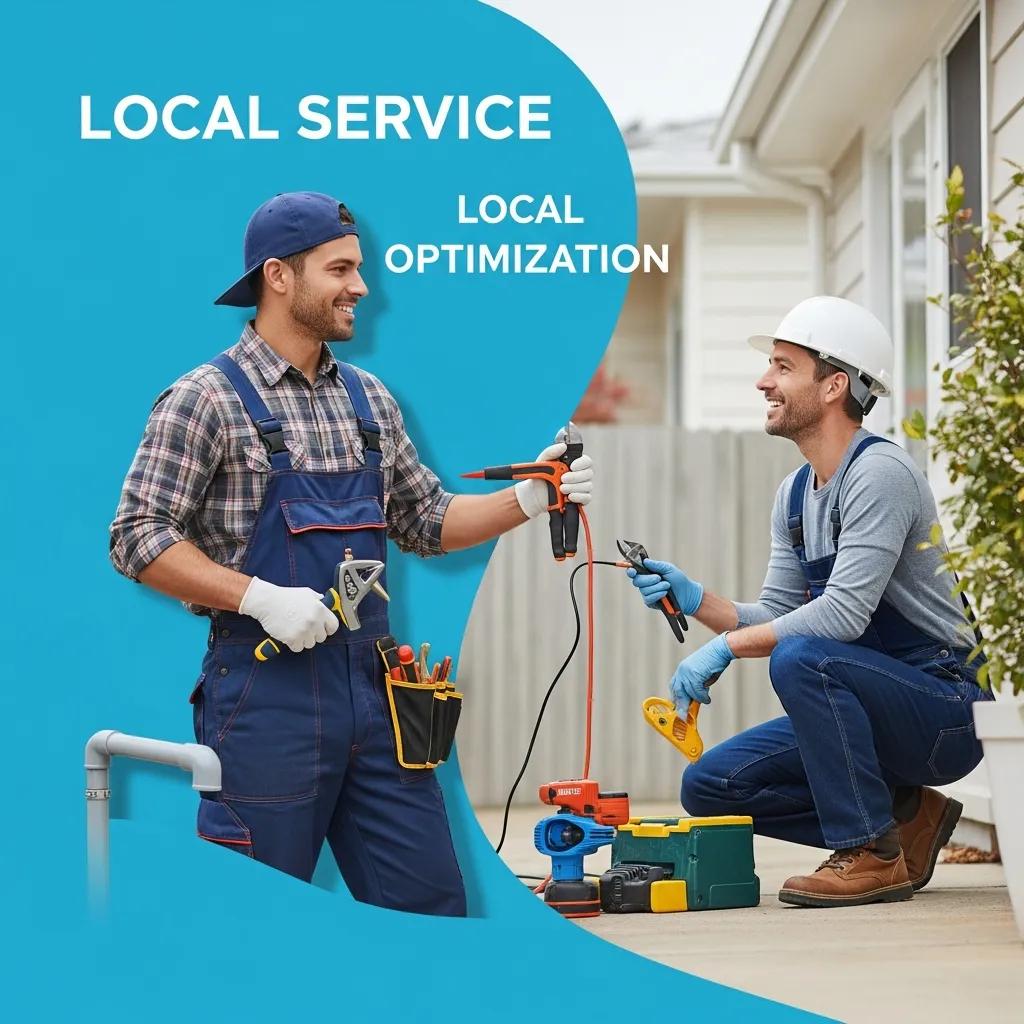
In the competitive landscape of local services, optimizing for “Service + City” keywords is crucial for visibility and customer acquisition. This guide will provide a comprehensive overview of effective strategies to enhance your local SEO efforts, focusing on the creation and optimization of service area pages. Readers will learn how to conduct local keyword research, craft unique service area pages, optimize on-page elements, implement structured data, and leverage Google Business Profile to build local authority. Many businesses struggle to rank effectively in multiple cities, leading to missed opportunities. By following the outlined steps, you can ensure your service pages are optimized for local search, driving more traffic and conversions. This article will cover essential topics, including keyword research methods, best practices for content creation, on-page optimization techniques, structured data implementation, internal linking strategies, and the importance of local citations.
How to Conduct Local Keyword Research for Service + City SEO?
Effective local keyword research is the foundation of a successful SEO strategy for service area pages. It involves identifying high-impact keywords that potential customers are using to find services in their locality. Understanding the nuances of local search behavior is essential for mapping keywords to user intent, ensuring that your content aligns with what users are searching for.
Which tools identify high-impact local and ‘near me’ keywords?
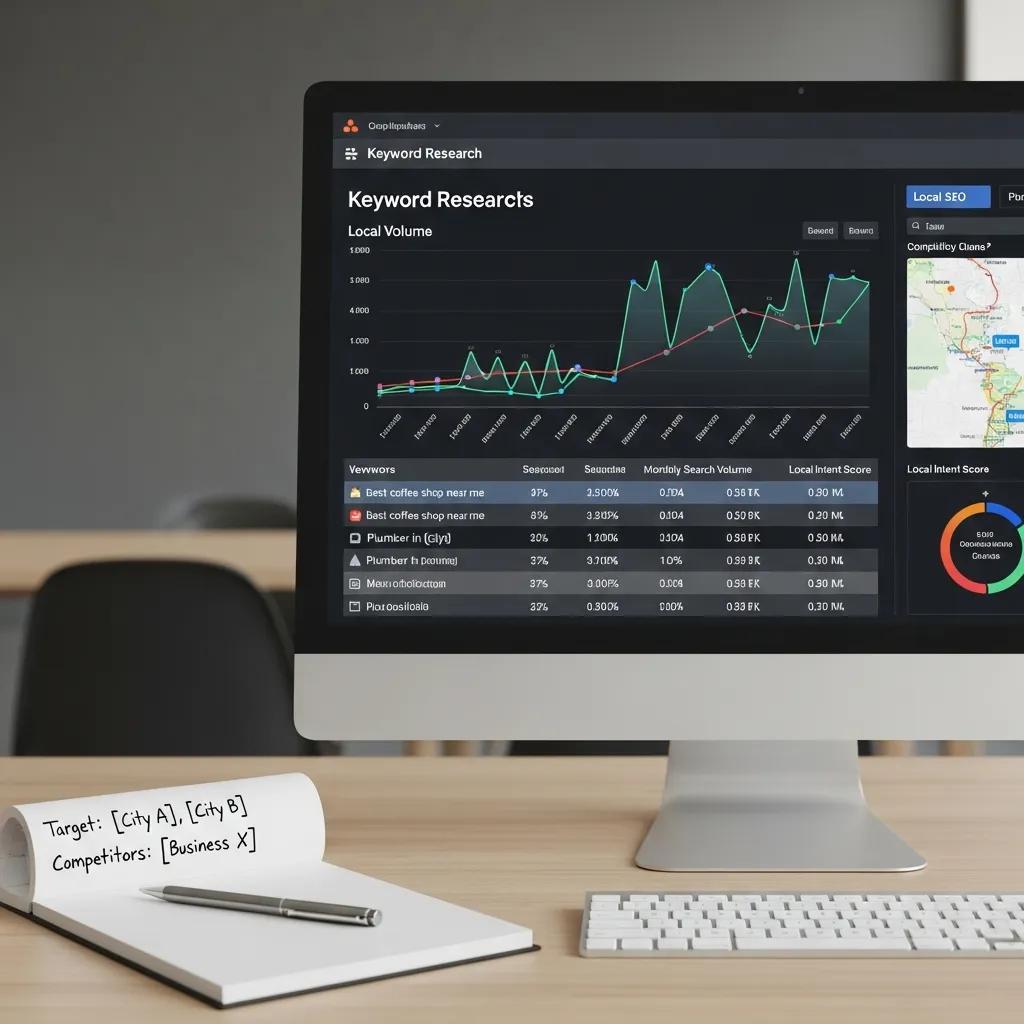
Several tools can help identify high-impact local keywords, including Google Keyword Planner, Ahrefs, and SEMrush. These platforms allow you to analyze search volume, competition, and trends for specific keywords. For instance, Google Keyword Planner provides insights into how often certain keywords are searched and suggests related terms. Additionally, using local search tools like Moz Local can help you discover ‘near me’ keywords that are particularly relevant to your business. By leveraging these tools, you can create a robust list of keywords that will drive targeted traffic to your service area pages.
How to map keywords to user intent for service area pages?
Mapping keywords to user intent involves understanding the different types of searches users perform. There are generally three types of user intent: informational, navigational, and transactional. For service area pages, focusing on transactional intent is crucial, as users are often looking to hire a service. To effectively map keywords, categorize them based on intent and ensure that your content addresses the specific needs of users. For example, keywords like “best plumbing services in [City]” indicate a transactional intent, while “how to fix a leaky faucet” reflects informational intent. Aligning your keywords with user intent will enhance the relevance of your service area pages.
What Are Best Practices for Crafting Unique Service Area Pages?
Creating unique service area pages is vital for avoiding duplicate content issues and improving local SEO. Each page should be tailored to the specific city or region it targets, incorporating localized content that resonates with the audience.
How to create localized, entity-rich content to avoid duplicate pages?
To create localized, entity-rich content, focus on incorporating specific details about the service area, such as local landmarks, community events, and testimonials from local customers. This approach not only enhances the relevance of your content but also helps search engines understand the geographical context of your services. For instance, mentioning a well-known park or local event in your content can make it more relatable to residents. Additionally, using structured data to mark up local entities can further improve your page’s visibility in search results.
Which local landmarks and testimonials enhance service page relevance?
Incorporating local landmarks and testimonials can significantly enhance the relevance of your service area pages. Local landmarks provide context and familiarity, making your content more engaging for users. Testimonials from satisfied customers in the area can build trust and credibility, encouraging potential clients to choose your services. For example, a plumbing service might include a testimonial from a local homeowner who had a positive experience, along with references to nearby landmarks. This combination of local context and social proof can improve your page’s performance in local search results.
How to Optimize On-Page Elements for Local SEO Service Pages?
On-page optimization is critical for ensuring that your service area pages rank well in local search results. This includes optimizing meta titles, descriptions, headings, and content to align with local SEO best practices.
What meta titles, descriptions, and heading structures boost local rankings?
Crafting compelling meta titles and descriptions is essential for attracting clicks from search results. Your meta title should include the primary keyword and the city name, while the description should provide a brief overview of the services offered. For example, a meta title could read “Expert Plumbing Services in [City] | Fast & Reliable,” and the description might highlight key services and a call to action. Additionally, using clear and descriptive headings (H1, H2, H3) throughout your content helps search engines understand the structure and relevance of your page.
How to integrate semantic keywords and optimize images with entity-based ALT text?
Integrating semantic keywords involves using related terms and phrases that enhance the context of your content. This can be achieved by including variations of your primary keywords throughout the text. Furthermore, optimizing images with entity-based ALT text is crucial for improving accessibility and SEO. ALT text should describe the image while incorporating relevant keywords. For instance, an image of a plumber at work could have ALT text like “Plumber fixing a leaky pipe in [City].” This practice not only aids in image search optimization but also provides context for search engines.
How to Implement Structured Data for Service + City Pages?

Structured data is a powerful tool for enhancing the visibility of your service area pages in search results. By implementing schema markup, you can provide search engines with detailed information about your services and locations.
Which Schema.org types improve SERP visibility?
Using the appropriate Schema.org types can significantly improve your page’s visibility in search engine results pages (SERPs). For service area pages, consider using types such as “LocalBusiness” and “Service.” The “Place” type is less commonly used for business listings but can be relevant for specific locations or landmarks. These types help search engines understand the nature of your business and its geographical relevance. Implementing structured data for your service area pages can lead to rich snippets, which enhance click-through rates and overall visibility.
How to use JSON-LD for clear entity relationships and rich snippets?
JSON-LD is a preferred method for implementing structured data due to its simplicity and effectiveness. By using JSON-LD, you can define clear relationships between entities, such as your business, services, and locations. For example, a JSON-LD snippet for a plumbing service might include details about the business name, address, service types, and areas served. This structured data can lead to rich snippets in search results, providing users with valuable information at a glance and improving your click-through rates.
Further emphasizing the impact of structured data, research highlights its role in boosting SEO visibility and delivering personalized search results.
Structured Data for SEO Visibility & Personalized Results
The use of structured data in healthcare websites can increase the visibility of health resources through search engine optimization (SEO), show rich, personalized results to target users, and allow the website to serve as a living digital directory of resource information for patients.
Utilization of Structured Data to Improve Visibility of Digital Health Websites, S Mitragotri, 2025
What Internal Linking Strategies Enhance Multi-City Service Area SEO?
Internal linking is a crucial aspect of SEO that helps distribute authority across your website. For multi-city service area pages, effective internal linking strategies can enhance visibility and user experience.
How does the hub-and-spoke model distribute authority across service and location pages?
The hub-and-spoke model is an effective internal linking strategy where a central “hub” page links to multiple “spoke” pages. In the context of multi-city service area SEO, the hub page could be a general service page that links to individual city-specific pages. This structure helps distribute authority and relevance, allowing search engines to understand the relationship between the pages. By linking related service area pages, you can improve the overall SEO performance of your website.
What semantic anchor text best connects related service and city entities?
Using semantic anchor text is essential for creating meaningful connections between related service and city entities. Instead of generic phrases like “click here,” use descriptive anchor text that reflects the content of the linked page. For example, if linking to a plumbing service page for a specific city, use anchor text like “Plumbing Services in [City].” This practice not only enhances user experience but also provides search engines with context about the linked content.
How to Leverage Google Business Profile and Build Local Authority?
Google Business Profile (GBP) is a vital tool for local SEO, allowing businesses to manage their online presence across Google, including Search and Maps. Optimizing your GBP can significantly enhance your local authority and visibility.
How to optimize multi-location GBP listings and manage local reviews?
To optimize multi-location GBP listings, ensure that each location has a separate profile with accurate information, including the business name, address, phone number, and services offered. Regularly updating your GBP with posts, photos, and special offers can also improve engagement. Managing local reviews is equally important; respond promptly to customer feedback and encourage satisfied clients to leave positive reviews. This proactive approach can enhance your business’s reputation and attract more local customers.
What role do local citations, testimonials, and E-E-A-T play in authority building?
Local citations, testimonials, and the principles of Expertise, Authoritativeness, and Trustworthiness (E-E-A-T) are crucial for building local authority. Consistent citations across online directories help establish credibility, while positive testimonials from local customers enhance trust. E-E-A-T emphasizes the importance of demonstrating expertise in your field, which can be achieved through high-quality content and engagement with your audience. By focusing on these elements, you can strengthen your local authority and improve your overall SEO performance.
| Strategy | Mechanism | Benefit | Impact Level |
|---|---|---|---|
| Local Keyword Research | Identifying high-impact keywords | Drives targeted traffic | High |
| Unique Service Area Pages | Tailored content for each location | Avoids duplicate content | High |
| Structured Data Implementation | Enhances SERP visibility | Increases click-through rates | Medium |
Lion’s Mane offers several distinct cognitive benefits that work synergistically to enhance overall brain function.
- Memory Enhancement: NGF stimulation improves neural connectivity and memory formation.
- Focus Improvement: Neurotransmitter optimization supports sustained concentration.
- Neuroprotection: Antioxidant compounds prevent cognitive decline.
These cognitive benefits make Lion’s Mane particularly valuable for individuals seeking natural cognitive enhancement. The next critical consideration involves understanding optimal dosing strategies for achieving these benefits.
| Compound | Mechanism | Benefit | Evidence Level |
|---|---|---|---|
| Hericenones | Stimulates NGF synthesis | Memory enhancement | Moderate (limited human studies) |
| Erinacines | Crosses blood-brain barrier | Neural regeneration | Moderate (animal studies; limited human data) |
| Beta-glucans | Immune modulation | Neuroprotection | Moderate (emerging research) |
This compound synergy explains why whole-fruiting-body Lion’s Mane extracts demonstrate superior cognitive benefits compared to isolated compounds. Understanding these mechanisms helps inform selection criteria for high-quality supplements.